Bone and joint problems can affect people of all ages, from young athletes recovering from injuries to older adults dealing with arthritis and age-related joint degeneration. While many people search online for the Best Orthopedic Treatment, the reality is that the right treatment depends on the cause, severity, and progression of the condition rather than a single solution that works for everyone.
Modern orthopedics has evolved significantly over the years. Today, specialists focus on preserving natural joint function whenever possible, reducing pain, restoring mobility, and helping patients return to their everyday activities with minimal disruption. Understanding the available treatment options allows patients to make informed healthcare decisions instead of delaying care until symptoms become severe.
Understanding the Cause Before Starting Treatment
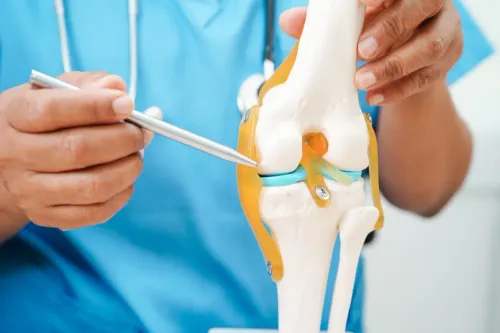
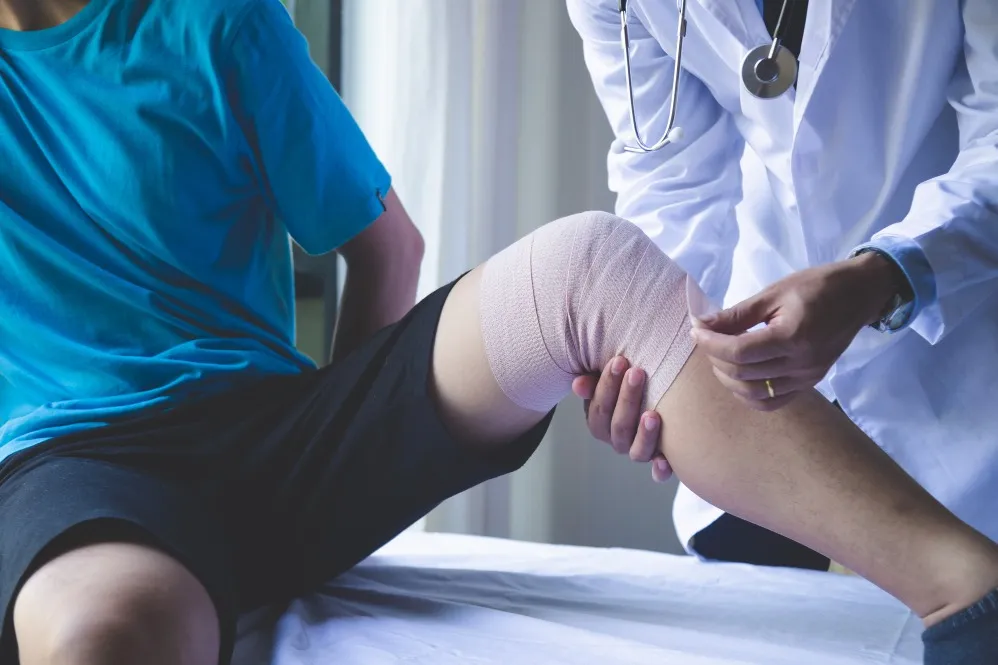
Successful orthopedic care always begins with an accurate diagnosis. Knee pain, shoulder stiffness, hip discomfort, or back pain may appear similar on the surface but often have very different underlying causes.
Some of the most common orthopedic conditions include:
- Osteoarthritis
- Rheumatoid arthritis
- Sports injuries
- Ligament tears
- Tendon inflammation
- Fractures
- Cartilage damage
- Frozen shoulder
- Spine-related disorders
- Joint degeneration due to aging
Treating symptoms without identifying the actual problem may only provide temporary relief. A thorough medical evaluation helps determine the most appropriate course of action.
Non-Surgical Treatment Is Often the First Step
Contrary to common belief, orthopedic treatment does not always involve surgery. In many cases, conservative management successfully reduces pain and improves joint function.
Depending on the diagnosis, non-surgical treatment may include:
- Anti-inflammatory medications
- Customized physiotherapy
- Muscle strengthening exercises
- Weight management guidance
- Joint support devices
- Activity modification
- Image-guided injections when appropriate
These treatments are often recommended for patients with early arthritis, mild ligament injuries, tendon disorders, or chronic overuse conditions.
When Surgery Becomes the Right Option
If conservative treatments no longer provide relief or the joint has suffered significant structural damage, surgery may offer the best opportunity for long-term improvement.
Orthopedic surgery may be recommended for:
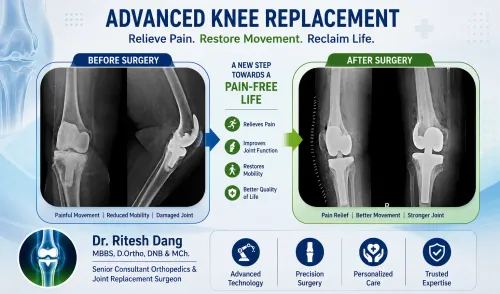
- Advanced knee arthritis
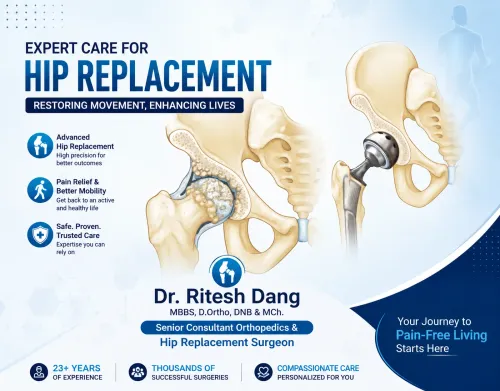
- Severe hip joint degeneration
- Complex fractures
- Ligament reconstruction
- Rotator cuff tears
- Joint deformities
- Failed previous orthopedic procedures
The decision is based on clinical findings, imaging results, lifestyle needs, and the patient's overall health rather than age alone.
Modern Orthopedic Procedures Offer Better Outcomes
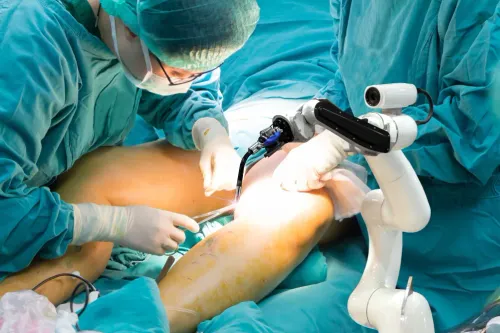
Medical technology has transformed orthopedic surgery over the last decade. Many procedures now involve minimally invasive techniques that reduce tissue damage and promote quicker recovery.
Some advancements include:
- Arthroscopic surgery for joint repair
- Computer-assisted surgical planning
- Robotic-assisted joint replacement
- Improved implant materials
- Enhanced rehabilitation protocols
These innovations help improve precision while supporting faster functional recovery for many patients.
Rehabilitation Is an Essential Part of Treatment
Orthopedic treatment does not end after medication or surgery. Recovery depends heavily on rehabilitation, which helps restore movement, strength, and confidence.
A structured rehabilitation program often includes:
- Guided mobility exercises.
- Muscle strengthening.
- Balance and coordination training.
- Pain management strategies.
- Gradual return to normal activities.
- Regular follow-up assessments.
Patients who actively participate in rehabilitation generally experience better long-term outcomes and lower chances of recurring problems.
How to Recognize Quality Orthopedic Care
Finding the best orthopedic treatment involves more than choosing a hospital based on reputation alone. Patients should consider the overall quality of care and the treatment approach.
Look for providers who:
- Perform detailed evaluations before recommending treatment
- Explain every available option clearly
- Prioritize conservative care whenever possible
- Offer advanced diagnostic facilities
- Provide comprehensive rehabilitation support
- Monitor recovery through regular follow-ups
A patient-centered approach helps ensure treatment decisions are based on individual needs rather than routine protocols.
Preventing Future Joint Problems
Orthopedic care also focuses on preventing recurring injuries and slowing the progression of joint disease.
Simple preventive measures include:
- Maintaining a healthy body weight
- Staying physically active
- Practicing proper posture
- Strengthening muscles around the joints
- Avoiding repetitive strain
- Wearing appropriate footwear
- Seeking early medical attention when pain persists
These habits can significantly improve joint health and reduce the likelihood of future complications.
Accessing Advanced Orthopedic Care in Shalimar Bagh
People living in Shalimar Bagh, Delhi, increasingly seek comprehensive orthopedic care that combines accurate diagnosis, advanced treatment options, and long-term rehabilitation. Whether managing arthritis, recovering from an injury, or considering joint replacement, receiving personalized treatment can make a meaningful difference in recovery and quality of life.
Anand Ortho Care Centre- Dr. Ritesh Dang provides evaluation and treatment for a wide range of orthopedic conditions, helping patients understand the most suitable treatment options for their specific needs. Through jointspecialistdelhi.com, individuals can explore available services, learn about modern orthopedic procedures, and gain valuable information before consulting a specialist.
The Best Orthopedic Treatment is not defined by a single procedure but by choosing the right approach at the right time. With an accurate diagnosis, evidence-based care, and a strong focus on rehabilitation, patients can achieve lasting pain relief, improved mobility, and a better quality of life while protecting their joint health for the future.
Keywords