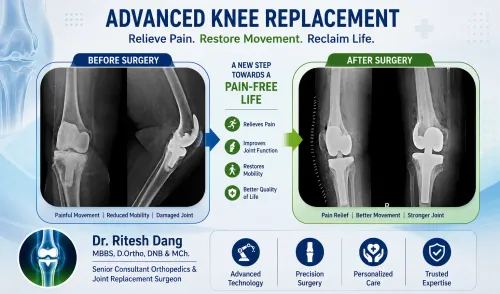
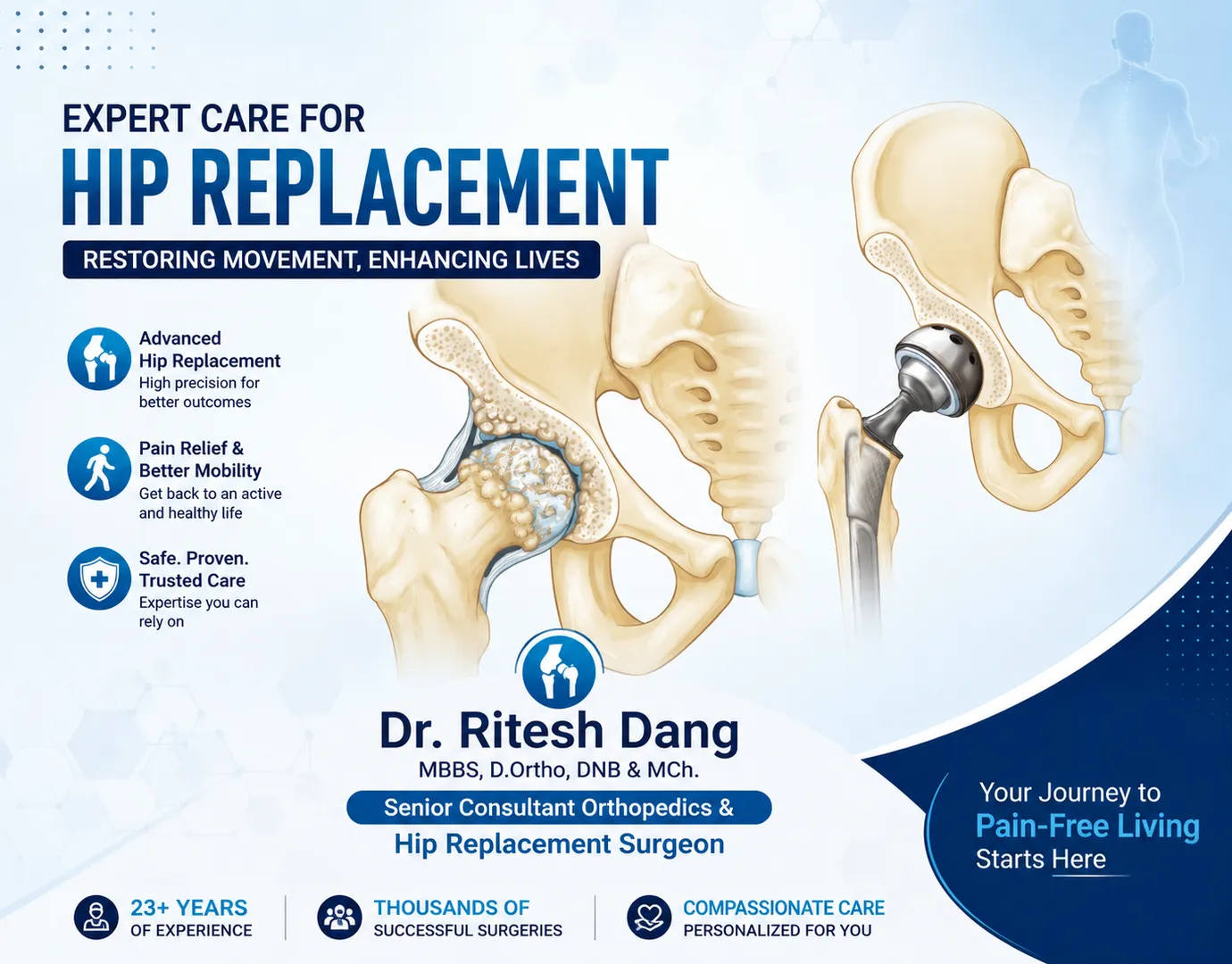
Hip and knee arthritis can both restrict mobility, but they do not always feel the same or require identical treatment. Patients experiencing persistent lower-limb joint problems may benefit from evaluation by a Hip and Knee Joint Replacement Specialist when symptoms begin to significantly affect daily activities.
For people in Mukherjee Nagar, understanding when replacement enters the conversation can help separate ordinary age-related aches from joint disease that requires more detailed assessment.
How Hip Problems Can Present
Hip arthritis commonly causes pain around the groin, although discomfort may also be felt around the thigh or other nearby areas.
Patients may notice difficulty putting on footwear, getting into a car, rising from a low seat, walking longer distances, or moving the hip freely.
Because pain around the hip can have several causes, proper examination is important before attributing symptoms to the joint itself.
How Knee Problems Affect Daily Life
Knee arthritis may produce pain, stiffness, swelling, reduced movement, or progressive difficulty with weight-bearing activities.
Patients may gradually avoid stairs, reduce walking, depend on railings, or find it increasingly difficult to stand after prolonged sitting.
The extent of functional limitation matters when treatment is being planned.
Replacement Is Not Based on Age Alone
There is no single age at which every patient should undergo replacement.
The decision is generally based on a combination of:
- Diagnosis
- Severity of symptoms
- Structural joint damage
- Functional limitations
- Response to conservative treatment
- General medical health
- Individual goals and expectations
Some older patients remain active with manageable symptoms and do not require surgery. Conversely, a younger patient with severe joint disease may require specialist evaluation.
Chronological age alone does not answer the question.
What Happens Before Surgery Is Considered?
The specialist reviews symptoms and performs a physical examination. Imaging may then help assess the joint.
When appropriate, conservative management may be attempted first. This can involve exercise-based rehabilitation, activity changes, medications under medical guidance, weight-management measures where applicable, or selected injections.
If symptoms remain substantial and joint damage is advanced, surgical options may be discussed.
Questions About Readiness
Patients considering replacement should think beyond pain intensity.
Ask yourself:
- Is walking significantly restricted?
- Have I stopped activities that matter to me?
- Does the joint interfere with sleep?
- Is stiffness reducing independence?
- Have appropriate non-surgical treatments been tried?
- Do I understand what rehabilitation involves?
These questions do not determine eligibility by themselves, but they help communicate the effect of the condition during consultation.
Preparing for a Specialist Appointment
Bring previous imaging and medical records. If you have already tried physiotherapy, medications, or injections, note what helped and for how long.
Also provide an accurate list of existing medical conditions and medications.
At Anand Ortho Care Centre- Dr. Ritesh Dang, patients from Mukherjee Nagar with significant hip or knee symptoms can undergo evaluation to determine the cause, severity, and appropriate management options.
Treatment Should Match the Individual
Replacement surgery can be an important treatment for appropriately selected patients with substantial joint disease, but it should not be viewed as the automatic next step after an arthritis diagnosis.
The decision requires a balance between symptoms, imaging, daily limitations, previous treatment, medical fitness, and patient expectations.
A specialist consultation provides an opportunity to put those factors together. For patients who are not yet candidates for surgery, the discussion can clarify conservative management. For those whose condition has progressed further, it can explain what an operation and subsequent rehabilitation would realistically involve.
That individualized assessment is more useful than deciding based solely on age, an X-ray report, or how another person's arthritis was treated.
Keywords