Severe knee pain can gradually reduce your independence, making routine activities like walking, climbing stairs, or even standing for a few minutes increasingly difficult. While many patients benefit from medications, physiotherapy, and lifestyle changes, advanced arthritis may eventually require surgical intervention. In such situations, consulting a Robotic Knee Replacement Surgeon can help patients explore one of the most precise approaches available in modern orthopedic care.
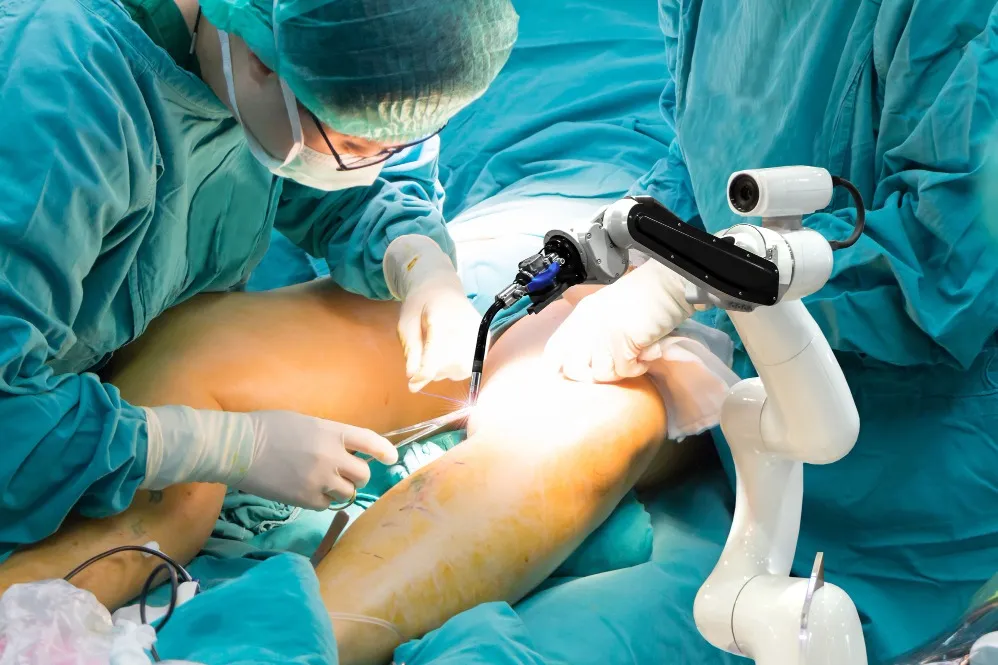
Robotic-assisted knee replacement has transformed how orthopedic surgeons plan and perform joint replacement procedures. Contrary to a common misconception, the robot does not perform the surgery independently. Instead, it acts as an advanced tool that helps the surgeon execute the procedure with greater precision based on the patient's unique anatomy.
What Does a Robotic Knee Replacement Surgeon Do?
A robotic knee replacement surgeon combines clinical expertise with advanced surgical technology to improve the accuracy of implant placement during knee replacement surgery.
Before the operation, detailed imaging of the knee is used to create a personalized surgical plan. During the procedure, the robotic system provides real-time guidance that helps the surgeon make highly accurate bone cuts and position the implant according to the patient's individual joint structure.
The surgeon remains in complete control throughout the surgery, using robotic technology to support better decision-making and precision.
Who Can Benefit From Robotic Knee Replacement?
Not every patient with knee pain requires robotic surgery. The decision depends on the extent of joint damage, lifestyle needs, and overall health.
Robotic-assisted knee replacement may be considered for patients who have:
- Advanced osteoarthritis
- Chronic knee pain affecting daily life
- Significant knee stiffness
- Deformity of the knee joint
- Reduced mobility despite conservative treatment
- Severe cartilage damage
- Difficulty performing routine activities
A detailed orthopedic evaluation helps determine whether robotic-assisted surgery is the most appropriate option.
Advantages of Robotic-Assisted Surgery
One of the primary reasons patients consider robotic-assisted procedures is the improved surgical accuracy they offer.
Potential advantages include:
- Personalized surgical planning
- Precise implant positioning
- Better joint alignment
- Preservation of healthy bone where possible
- Improved balance of surrounding soft tissues
- Reduced surgical trauma
- Enhanced long-term joint function
Although technology contributes to these benefits, successful outcomes still depend largely on the experience and expertise of the orthopedic surgeon.
How the Procedure Is Planned
Unlike conventional surgery, robotic-assisted knee replacement begins long before entering the operating room.
Planning generally involves:
- Detailed clinical evaluation.
- Digital imaging of the knee.
- Analysis of joint alignment.
- Creation of a customized surgical plan.
- Selection of the appropriate implant.
- Discussion of expected recovery and rehabilitation.
This personalized planning allows the surgical team to prepare for the patient's unique anatomical requirements.
Recovery After Robotic Knee Replacement
Recovery following robotic-assisted surgery is similar in principle to traditional knee replacement but may benefit from improved surgical precision and careful tissue preservation.
Rehabilitation often includes:
- Early supervised walking
- Flexibility exercises
- Muscle strengthening
- Balance training
- Gradual return to everyday activities
- Regular follow-up with the orthopedic team
Patients who actively participate in physiotherapy usually experience better functional improvement and greater confidence in using the new joint.
Questions to Ask Before Choosing a Surgeon
Selecting the right orthopedic surgeon is an important part of successful treatment.
Consider discussing:
- Is robotic-assisted surgery suitable for my condition?
- What are the expected benefits in my case?
- How much experience does the surgeon have with robotic procedures?
- What type of rehabilitation will I require?
- How long will recovery typically take?
- What results can I realistically expect?
A transparent discussion helps patients understand both the advantages and limitations of the procedure.
Why Comprehensive Orthopedic Care Matters
Modern knee replacement is about much more than the operation itself. Successful outcomes depend on accurate diagnosis, careful planning, skilled surgery, structured rehabilitation, and ongoing follow-up.
Choosing an orthopedic team that provides complete care throughout every stage of treatment allows patients to recover with greater confidence and long-term support.
Advanced Robotic Knee Care in Delhi
People across Delhi increasingly seek advanced orthopedic solutions for severe arthritis and chronic knee pain. Access to experienced surgeons, modern surgical technology, and comprehensive rehabilitation programs enables patients to receive treatment that is tailored to their specific needs rather than following a standard approach.
Anand Ortho Care Centre- Dr. Ritesh Dang offers specialized orthopedic evaluation and modern knee replacement solutions for patients considering robotic-assisted surgery. Through jointspecialistdelhi.com, individuals can learn about available treatment options, understand the surgical process, and make informed decisions regarding their joint health.
Choosing a qualified Robotic Knee Replacement Surgeon is about more than adopting new technology it is about combining surgical expertise with advanced precision to achieve better joint function, improved mobility, and lasting relief from chronic knee pain.
Keywords