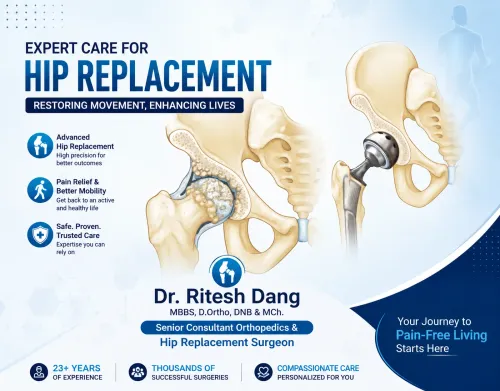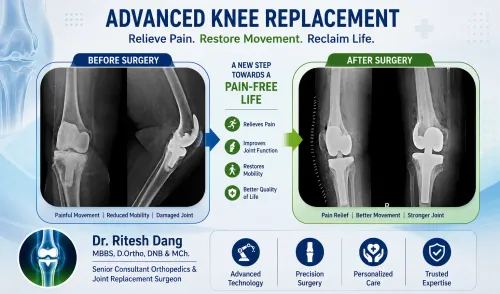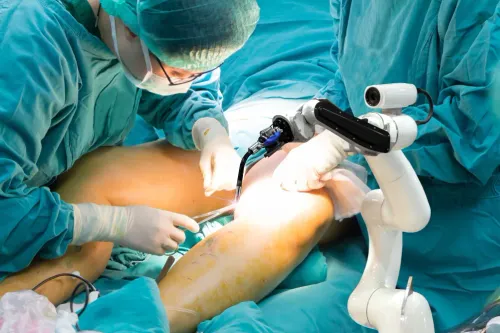
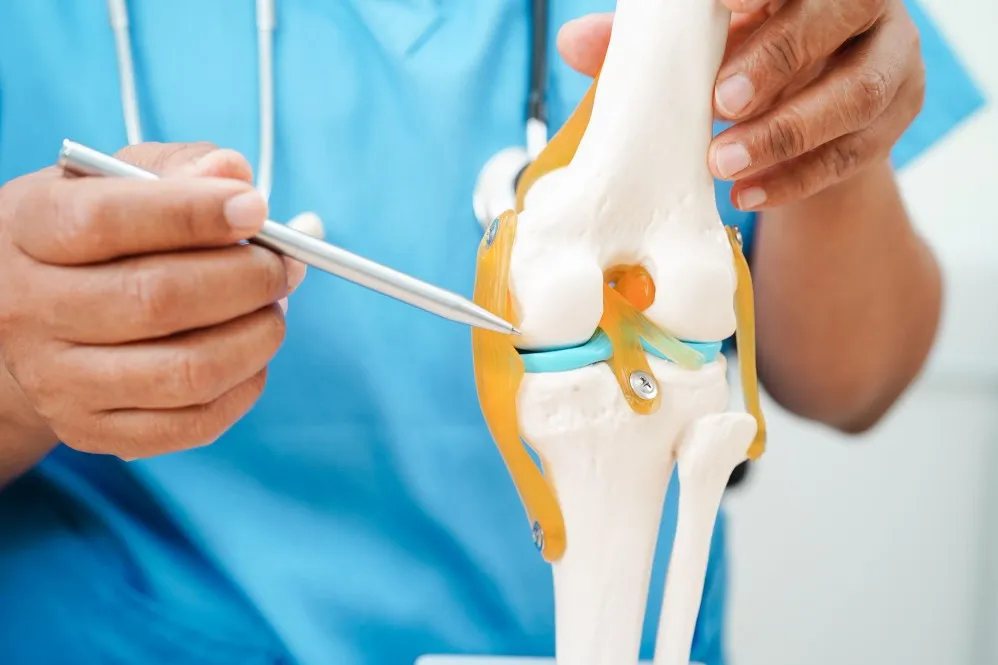
Living with severe joint pain can gradually limit your ability to enjoy everyday life. Walking, climbing stairs, driving, exercising, or even getting a good night's sleep may become difficult when the hip or knee joint is badly damaged. While medications and physiotherapy often help in the early stages, some patients eventually require joint replacement to regain comfort and mobility. Choosing the right Joint Replacement Surgeon is one of the most important decisions in this journey.
Joint replacement surgery has advanced significantly over the years, offering patients improved outcomes, faster rehabilitation, and longer-lasting implants. However, the success of the procedure depends not only on modern technology but also on the expertise of the orthopedic surgeon, careful planning, and a structured recovery program.
What Does a Joint Replacement Surgeon Do?
A joint replacement surgeon specializes in treating advanced joint conditions that no longer respond to conservative treatment. The goal is to relieve pain, restore movement, and improve overall quality of life.
Joint replacement procedures commonly include:
- Total knee replacement
- Partial knee replacement
- Hip replacement surgery
- Revision joint replacement
- Robotic-assisted joint replacement where appropriate
Before recommending surgery, the surgeon carefully evaluates whether all suitable non-surgical treatment options have been explored.
Conditions That May Require Joint Replacement
Joint replacement is generally considered when damage to the joint significantly affects daily activities and other treatments are no longer effective.
Common conditions include:
- Advanced osteoarthritis
- Rheumatoid arthritis
- Hip joint degeneration
- Severe knee arthritis
- Post-traumatic joint damage
- Joint deformities
- Avascular necrosis
- Failed previous joint replacement
Every patient is evaluated individually to determine whether surgery is the most appropriate solution.
Qualities to Look for in a Joint Replacement Surgeon
Selecting the right orthopedic specialist involves more than choosing a nearby hospital.
Important factors to consider include:
- Experience with joint replacement procedures
- Expertise in treating complex orthopedic conditions
- Access to modern surgical techniques
- Comprehensive diagnostic evaluation
- Personalized treatment planning
- Clear communication about treatment options
- Structured rehabilitation support
An experienced surgeon explains both the benefits and potential risks while helping patients make informed decisions based on their medical condition.
Questions Worth Asking During Your Consultation
Patients often feel more confident when they understand the treatment process clearly.
Useful questions include:
- Is joint replacement my best treatment option?
- Are there effective non-surgical alternatives?
- What type of implant is recommended?
- How long will recovery take?
- What activities can I expect to resume after surgery?
- What rehabilitation program will I need?
- What are the possible risks and expected outcomes?
Open communication helps establish realistic expectations before surgery.
Preparing for Joint Replacement Surgery
Preparation plays an important role in successful recovery.
Patients are usually advised to:
- Improve muscle strength through physiotherapy
- Control existing medical conditions
- Maintain a healthy body weight
- Stop smoking if advised
- Arrange support at home during the recovery period
- Understand post-operative rehabilitation exercises
Being physically and mentally prepared often contributes to smoother recovery after surgery.
Recovery Is a Partnership
Joint replacement surgery is only one part of the treatment journey. Rehabilitation is equally important for restoring strength, flexibility, and confidence.
Recovery generally includes:
- Early walking under supervision
- Gradual increase in joint movement
- Muscle strengthening exercises
- Balance and coordination training
- Regular orthopedic follow-up
- Lifestyle modifications to protect the new joint
Patients who actively participate in physiotherapy often achieve better long-term mobility and improved functional outcomes.
Modern Orthopedic Care Focuses on Long-Term Results
Today's orthopedic specialists aim to provide treatment that supports long-term joint health rather than simply addressing immediate pain. Careful patient selection, accurate implant positioning, advanced surgical techniques, and ongoing rehabilitation all contribute to successful joint replacement.
Regular follow-up appointments also help monitor implant performance and ensure patients continue progressing safely after surgery.
Finding Expert Joint Replacement Care in Delhi
People throughout Delhi frequently seek specialized orthopedic care for chronic hip and knee pain that affects their daily activities. Access to experienced surgeons, modern diagnostic facilities, and individualized treatment plans enables patients to receive care that is appropriate for their specific condition and lifestyle.
Anand Ortho Care Centre- Dr. Ritesh Dang provides comprehensive orthopedic consultation and joint replacement services for patients experiencing advanced joint disorders. Through jointspecialistdelhi.com, individuals can learn more about available treatment options, understand the evaluation process, and make informed decisions about their orthopedic health with guidance from experienced specialists.
Choosing the right Joint Replacement Surgeon is an investment in your future mobility. With accurate diagnosis, personalized treatment planning, advanced surgical expertise, and dedicated rehabilitation, patients can look forward to reduced pain, improved movement, and the confidence to return to everyday activities with greater comfort and independence.
Keywords