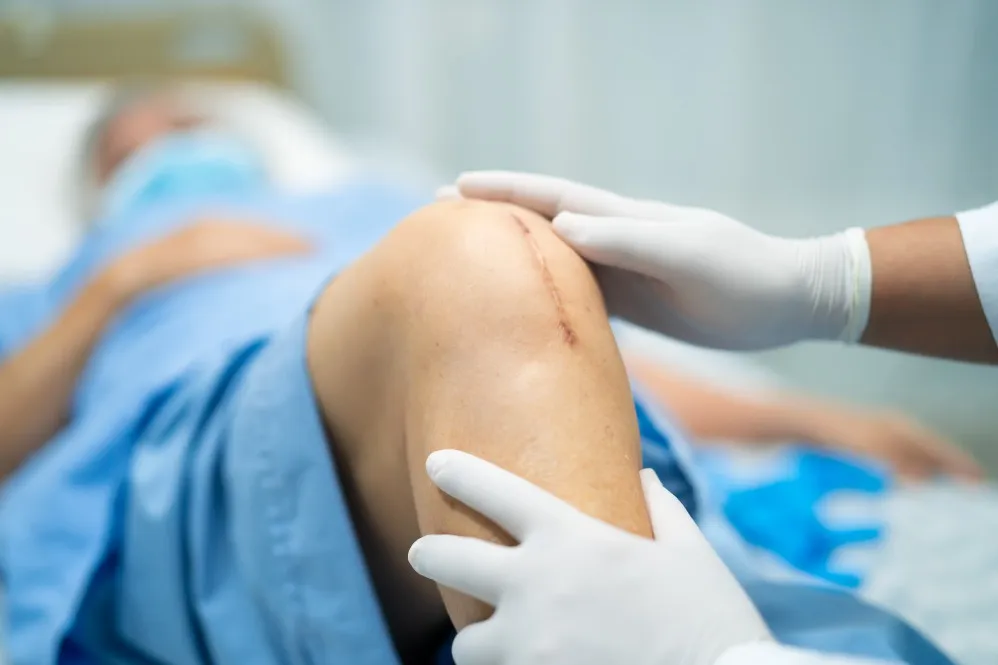
Knee replacement surgery is one of the most successful orthopedic procedures for relieving chronic pain and restoring mobility. Most patients recover well and enjoy improved quality of life for many years. However, in a small number of cases, complications such as infection can occur. When this happens, timely Infected Knee Replacement Treatment is critical to protect the joint, preserve mobility, and prevent more serious health problems.
An infection after knee replacement should never be ignored or treated as ordinary post-surgical discomfort. Recognizing the symptoms early and seeking evaluation from an experienced orthopedic specialist can significantly improve treatment outcomes.
What Is an Infected Knee Replacement?
An infected knee replacement occurs when bacteria or other microorganisms affect the tissues surrounding the artificial knee joint. The infection may develop soon after surgery or, in some cases, months or even years later.
Although infections following knee replacement are uncommon, they require prompt medical attention because bacteria can attach to the implant surface, making treatment more complex than treating a routine wound infection.
The sooner the condition is diagnosed, the greater the chance of preserving joint function while reducing complications.
Common Symptoms That Should Never Be Ignored
Recovery after knee replacement naturally includes some swelling and discomfort during the healing phase. However, certain symptoms may indicate an infection rather than normal recovery.
Patients should seek immediate orthopedic evaluation if they notice:
- Persistent or increasing knee pain
- Swelling that continues to worsen
- Redness around the surgical site
- Warmth over the knee
- Fluid or discharge from the incision
- Fever or chills
- Difficulty walking after initial improvement
- Sudden stiffness in the replaced knee
These symptoms do not always confirm an infection, but they should never be ignored.
How Orthopedic Specialists Confirm the Diagnosis
An accurate diagnosis is essential before beginning treatment. Since several orthopedic conditions can produce similar symptoms, specialists perform a detailed evaluation to identify the exact cause.
The assessment may include:
- Clinical examination.
- Blood investigations to detect infection markers.
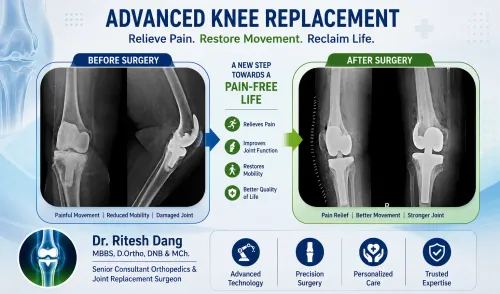
- X-rays to evaluate the implant.
- Joint fluid aspiration for laboratory analysis.
- Advanced imaging when necessary.
- Review of the patient's surgical history and overall health.
This comprehensive approach helps determine the severity of the infection and guides the most appropriate treatment plan.
Treatment Depends on the Stage of Infection
There is no single treatment suitable for every patient. The recommended approach depends on factors such as when the infection developed, the condition of the implant, the type of bacteria involved, and the patient's overall health.
Possible treatment options include:
- Targeted antibiotic therapy
- Surgical cleaning of the joint while preserving the implant
- Replacement of specific implant components
- Complete revision knee replacement in severe cases
- Rehabilitation following treatment
The objective is to eliminate the infection while restoring the function and stability of the knee joint.
Why Early Intervention Makes a Difference
Delaying treatment can allow the infection to spread, making management more complicated.
Early medical care offers several important benefits:
- Better control of the infection
- Reduced damage to surrounding tissues
- Improved chance of preserving the implant when appropriate
- Lower risk of additional complications
- Better long-term knee function
- Faster recovery compared to delayed treatment
Patients who seek medical attention promptly often have more treatment options available.
Recovery After Infected Knee Replacement Treatment
Recovery varies depending on the severity of the infection and the treatment performed. A structured rehabilitation program is an essential part of restoring movement and strength.
Recovery generally focuses on:
- Gradual improvement in joint mobility
- Muscle strengthening
- Walking with appropriate support
- Pain management
- Monitoring for signs of recurring infection
- Regular orthopedic follow-up
Consistent rehabilitation and medical supervision help patients regain confidence while reducing the likelihood of future complications.
Protecting Your Knee Replacement
Although not every infection can be prevented, certain measures may help reduce the risk.
Patients should:
- Follow all wound care instructions after surgery
- Attend scheduled follow-up appointments
- Inform their doctor about unusual symptoms immediately
- Manage chronic conditions such as diabetes effectively
- Maintain good overall hygiene
- Avoid ignoring persistent swelling or fever after surgery
Being aware of these precautions supports long-term joint health and successful recovery.
Specialized Orthopedic Care in West Delhi
People living in West Delhi who experience unusual pain, swelling, or changes after knee replacement surgery should seek orthopedic evaluation without delay. Early diagnosis plays a crucial role in managing infections effectively and preserving joint function.
Anand Ortho Care Centre- Dr. Ritesh Dang provides comprehensive assessment and treatment for patients experiencing complications following knee replacement surgery. Through jointspecialistdelhi.com, patients can access reliable information about advanced orthopedic care, understand available treatment options, and receive guidance tailored to their individual condition.
Timely Infected Knee Replacement Treatment is essential for protecting both your artificial joint and your overall health. With accurate diagnosis, evidence-based treatment, and careful rehabilitation, many patients are able to overcome this complication and return to a more active, comfortable lifestyle.
Keywords