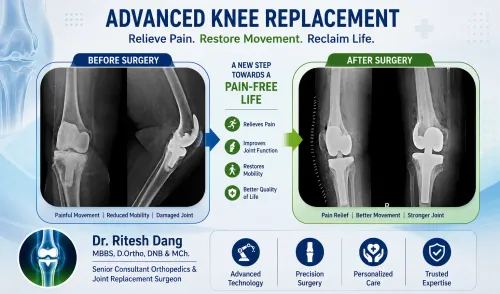
Persistent knee pain can make even the simplest daily activities feel exhausting. Walking short distances, climbing stairs, standing for long periods, or getting up from a chair may become increasingly difficult when the knee joint is severely damaged. For patients whose arthritis has progressed despite medication, physiotherapy, or lifestyle changes, Robotic Assisted Knee Replacement has emerged as an advanced treatment option that offers greater precision during surgery.
Unlike traditional knee replacement procedures, robotic-assisted technology helps surgeons plan and perform the operation with remarkable accuracy. It does not replace the surgeon but serves as an advanced tool that supports better decision-making throughout the procedure. As awareness of robotic orthopedic surgery continues to grow, many patients are interested in understanding how it works and whether it is the right choice for them.
What Is Robotic Assisted Knee Replacement?
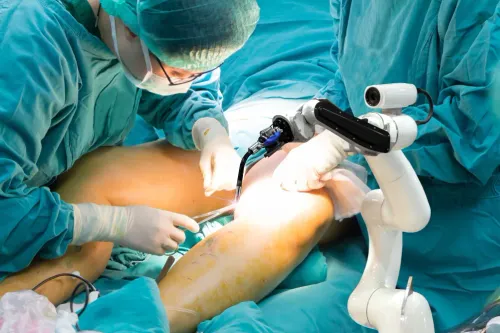
Robotic Assisted Knee Replacement is an advanced surgical technique that combines detailed imaging, computerized planning, and robotic guidance to assist the orthopedic surgeon during knee replacement surgery.
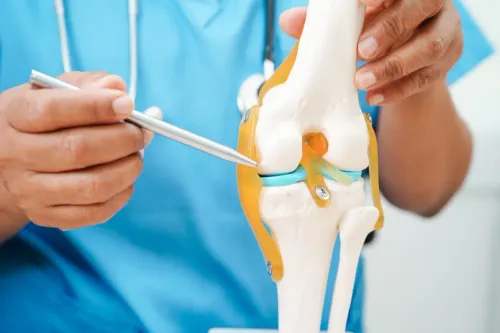
Before the operation begins, the surgeon evaluates the patient's knee using detailed scans to understand the exact condition of the joint. During surgery, the robotic system provides real-time information that helps the surgeon position the implant with exceptional precision while preserving as much healthy bone and surrounding tissue as possible.
The surgeon remains in complete control throughout the procedure, using robotic technology as an aid rather than allowing the system to operate independently.
Who May Benefit from This Procedure?
Robotic-assisted knee replacement is commonly recommended for patients experiencing severe knee damage that significantly affects their quality of life.
You may be considered a suitable candidate if you have:
- Advanced osteoarthritis
- Chronic knee pain that limits daily activities
- Significant stiffness or reduced mobility
- Knee deformity caused by joint degeneration
- Poor response to medications and physiotherapy
- Difficulty walking even short distances
- Persistent pain that affects sleep
An orthopedic evaluation is necessary to determine whether robotic-assisted surgery is appropriate based on your overall health, bone condition, and lifestyle.
How Robotic Technology Enhances Accuracy
One of the greatest advantages of robotic-assisted surgery is the level of precision it provides.
The technology allows surgeons to:
- Create a personalized surgical plan before the procedure
- Measure the patient's anatomy with exceptional accuracy
- Position implants according to individual joint alignment
- Make highly controlled bone cuts
- Continuously assess balance and movement during surgery
Every knee is different, and robotic technology allows treatment to be tailored to each patient's unique anatomy rather than relying solely on standard measurements.
Benefits Patients Often Experience
Although every patient's recovery is unique, robotic-assisted procedures have been associated with several potential advantages when performed by experienced orthopedic surgeons.
These may include:
- Improved implant alignment
- Better preservation of healthy tissue
- Reduced surgical trauma
- Less post-operative discomfort
- Faster early rehabilitation
- Improved joint function
- Greater confidence while walking
- Long-term implant stability
The ultimate outcome depends on factors such as surgical expertise, rehabilitation, overall health, and patient commitment to physiotherapy.
Recovery After Surgery
Recovery begins soon after the procedure. Most patients are encouraged to start gentle movement under professional supervision within a short period, depending on their medical condition.
A typical rehabilitation program focuses on:
- Pain management.
- Controlled walking exercises.
- Improving knee flexibility.
- Strengthening surrounding muscles.
- Restoring balance and stability.
- Returning gradually to everyday activities.
Following the rehabilitation plan consistently is one of the most important factors influencing long-term success after knee replacement.
Questions to Ask Before Choosing Robotic Knee Replacement
If you are considering robotic-assisted surgery, discussing the following questions with your orthopedic surgeon can help you make an informed decision:
- Am I a suitable candidate for robotic-assisted surgery?
- What benefits can I realistically expect?
- How experienced is the surgical team with robotic procedures?
- What type of implant will be used?
- How long will recovery take?
- What rehabilitation program will I need?
- Are there any risks specific to my medical condition?
Having clear answers helps patients understand both the advantages and limitations of the procedure.
Accessing Advanced Knee Care in Pitampura
With growing awareness of advanced orthopedic treatments, many people in Pitampura, Delhi, are exploring robotic-assisted knee replacement to improve mobility and reduce long-term pain. Choosing a healthcare provider with experience in modern orthopedic technology, careful patient evaluation, and structured rehabilitation can contribute significantly to successful outcomes.
Anand Ortho Care Centre- Dr. Ritesh Dang offers comprehensive orthopedic assessment and advanced joint care for patients experiencing severe knee problems. Through jointspecialistdelhi.com, patients can learn about available treatment options, understand the evaluation process, and explore whether robotic-assisted knee replacement may be appropriate for their condition.
Robotic Assisted Knee Replacement represents a significant advancement in orthopedic surgery by combining surgical expertise with modern technology. For patients struggling with advanced knee arthritis, this approach offers an opportunity for more precise treatment, improved joint function, and a smoother path toward regaining an active and independent lifestyle.
Keywords