
Joint pain is one of the most common reasons people seek medical attention, yet it is also one of the most misunderstood health concerns. Many individuals assume that every aching knee, painful shoulder, or stiff hip is simply a sign of aging. In reality, persistent joint pain may result from several different conditions, each requiring a specific treatment approach. This is why consulting a Joint Pain Treatment Specialist is important when discomfort continues despite rest or medication.
Ignoring ongoing joint pain can lead to reduced mobility, muscle weakness, and worsening joint damage over time. Early evaluation allows patients to receive an accurate diagnosis and begin treatment before the condition affects their everyday activities.
Joint Pain Is a Symptom, Not a Diagnosis
Pain in a joint is often the body's way of signaling an underlying problem. Treating the pain alone without identifying its cause may provide temporary relief but rarely solves the issue.
A joint pain specialist evaluates a variety of possible causes, including:
- Osteoarthritis
- Rheumatoid arthritis
- Sports injuries
- Ligament and tendon injuries
- Cartilage damage
- Joint inflammation
- Fractures or old injuries
- Bursitis
- Gout
- Age-related joint degeneration
Each condition has different symptoms, progression, and treatment requirements, making professional assessment essential.
When Should You Consult a Specialist?
Occasional soreness after physical activity is usually normal. However, persistent or worsening pain should never be ignored.
You should consider seeing a joint pain specialist if you experience:
- Pain lasting more than two to three weeks
- Swelling around the joint
- Morning stiffness that lasts for an extended period
- Difficulty walking or climbing stairs
- Pain that disturbs sleep
- Reduced range of motion
- Joint instability or locking
- Repeated episodes of discomfort without a clear reason
Seeking medical advice early often prevents small problems from developing into long-term orthopedic conditions.
How the Diagnosis Is Made
An experienced orthopedic specialist does much more than ask where the pain is located. The goal is to understand why the pain is occurring and how it affects your daily life.
The evaluation generally includes:
- A detailed discussion about symptoms and medical history.
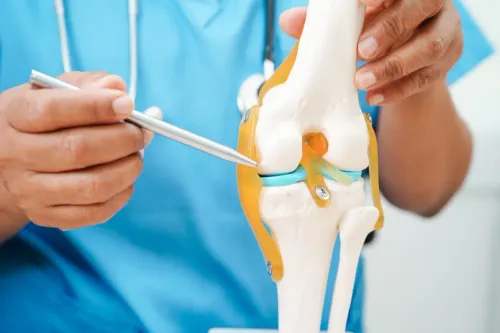
- Physical examination of the affected joint.
- Assessment of joint movement and muscle strength.
- Observation of walking or posture if necessary.
- X-rays, MRI scans, or other imaging tests when required.
- Laboratory investigations if inflammatory arthritis is suspected.
This comprehensive approach helps identify the exact condition before treatment begins.
Treatment Is Tailored to Each Patient
There is no universal solution for joint pain because every patient's condition is different. Age, activity level, occupation, medical history, and the severity of joint damage all influence treatment decisions.
Depending on the diagnosis, treatment may include:
- Anti-inflammatory medications
- Physiotherapy and rehabilitation
- Joint strengthening exercises
- Weight management advice
- Lifestyle modifications
- Joint injections
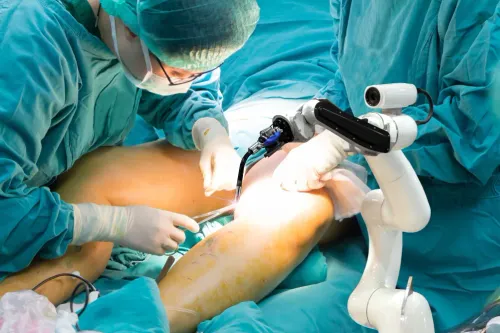
- Arthroscopic procedures
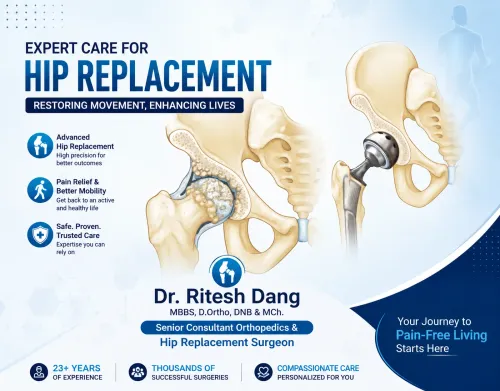
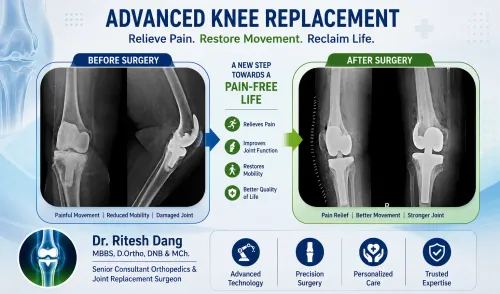
- Joint replacement surgery for advanced cases
Most specialists recommend conservative treatment whenever it is likely to provide effective relief before considering surgical intervention.
Everyday Habits That Support Healthy Joints
Medical treatment works best when combined with healthy lifestyle choices that reduce stress on the joints.
Simple habits that help maintain joint health include:
- Staying physically active with low-impact exercises
- Maintaining a healthy body weight
- Strengthening muscles around the joints
- Avoiding prolonged sitting
- Practicing correct posture
- Wearing supportive footwear
- Addressing injuries promptly instead of ignoring them
These measures can improve mobility and reduce the risk of future orthopedic problems.
Why Delaying Treatment Can Be Risky
Many people tolerate joint pain for months or even years, believing it will eventually disappear. Unfortunately, untreated joint conditions often become progressively worse.
Delaying treatment may result in:
- Permanent cartilage damage
- Increased stiffness
- Muscle weakness
- Reduced balance
- Greater difficulty performing daily activities
- More complex treatment requirements later
Receiving timely orthopedic care allows many conditions to be managed before they significantly affect quality of life.
Choosing the Right Specialist
Finding a qualified joint pain treatment specialist involves more than searching for the nearest clinic. Patients should look for a healthcare provider who offers comprehensive evaluation, explains every treatment option clearly, and develops an individualized care plan rather than recommending the same solution for everyone.
Modern orthopedic care combines accurate diagnosis, evidence-based treatment, rehabilitation, and long-term follow-up to achieve the best possible outcomes.
Comprehensive Joint Care in Azadpur
People living in Azadpur, Delhi, often seek orthopedic consultation for knee pain, shoulder injuries, arthritis, and other mobility-related concerns. Access to specialized orthopedic care helps patients receive an accurate diagnosis and begin appropriate treatment before joint damage progresses.
Anand Ortho Care Centre- Dr. Ritesh Dang provides assessment and treatment for a wide range of orthopedic conditions affecting bones and joints. Through jointspecialistdelhi.com, patients can learn about available orthopedic services, modern treatment options, and individualized care designed to restore movement and reduce pain.
Consulting a Joint Pain Treatment Specialist at the right time can make a meaningful difference in recovery. With accurate diagnosis, personalized treatment, and ongoing rehabilitation, many patients are able to regain mobility, reduce discomfort, and continue leading active, independent lives.
Keywords