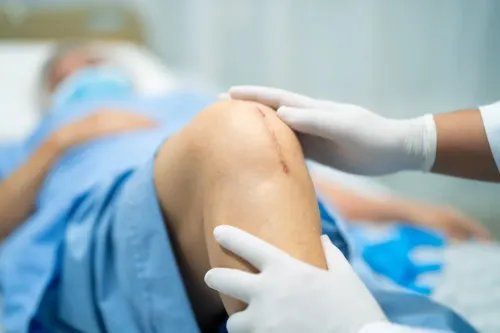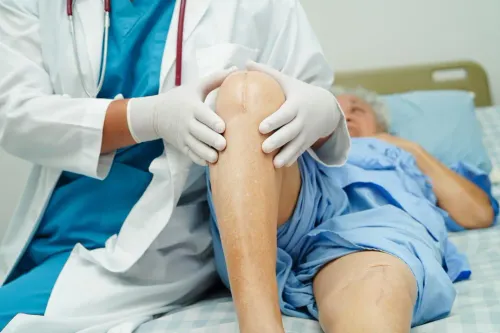


Revision Knee Replacement Surgery in Rani Bagh becomes relevant when a previously replaced knee joint begins to cause discomfort again. While knee replacement implants are designed to last for many years, certain situations, such as implant wear, instability, infection, or persistent pain, may require a second surgery to correct or replace the earlier implant.
Revision knee replacement procedures are typically more complex than primary knee replacement surgery. The orthopedic surgeon carefully evaluates the condition of the existing implant, surrounding bone structure, and soft tissues before planning the procedure. Advanced imaging tests often help identify the exact reason behind the patient’s discomfort or reduced joint function.
Patients who may need revision surgery often report symptoms such as persistent swelling around the knee, difficulty walking, joint stiffness, or a feeling that the knee is unstable. Sometimes, a previous knee replacement may gradually loosen over time, leading to discomfort during everyday activities. In such cases, revision surgery aims to restore stability and improve joint performance.
At Anand Ortho Care Centre – Dr. Ritesh Dang, orthopedic evaluation focuses on understanding the patient’s medical history, previous surgical details, and current joint condition. Revision surgery planning involves detailed analysis of implant alignment, bone health, and surrounding tissue condition to determine the most suitable approach.
Because revision knee replacement can vary widely from patient to patient, consultation with an experienced orthopedic surgeon is essential. Treatment planning may include surgical options, rehabilitation guidance, and long-term joint care strategies to support recovery.
Patients experiencing discomfort after a previous knee replacement or noticing reduced joint function may consider consulting Anand Ortho Care Centre – Dr. Ritesh Dang to discuss available orthopedic solutions and evaluate whether revision knee replacement surgery may help restore mobility.